
Plantar algo, curar algo
-
The Black Agrarian Directory: Finding Each Other Again
![]()

The Black Agrarian Directory was created to help Black farmers, growers, educators, and agricultural professionals find each other again. For too long, the work has been happening in isolation—across states, specialties, and communities. This directory builds the missing connections by mapping the ecosystem of Black agriculture in real time, helping growers collaborate, share knowledge, and strengthen the future of our food systems.
-
Cultivating Community: Black Culinary and Agricultural Trailblazers
![]()

Edna Lewis, Karen Washington, Leah Penniman, and Will Allen show how Black culinary knowledge and agricultural leadership can preserve culture, advance food justice, and build stronger communities.
-
Seeds of Innovation: Black Pioneers in Agricultural Technology
![]()

From Henry Blair’s corn planter to advances in crop science, refrigeration, and agricultural leadership, Black innovators have helped reshape how America grows, protects, and transports food.
-
George Washington Carver: The Plant Whisperer Who Revolutionized Agriculture and Empowered Communities
![]()

George Washington Carver wasn't just about peanuts; he was about people. He saw the potential for agriculture to be a tool for liberation, a pathway to economic independence for Black farmers. His work wasn't confined to the lab; it extended to the fields, where he shared his knowledge freely, empowering communities to take control of their destinies. Carver understood that true freedom was rooted in the land, and he dedicated his life to cultivating not just crops but also hope and resilience.
-
Fulvic Acid and Black Resilience: Nurturing Our Roots This Black History Month
![]()

Fulvic acid is not magic. This Black History Month reflection looks at soil, roots, balance, and the community systems that help plants—and people—grow strong.
-
From Soil to Soul: MLK's Legacy and the Black American Agrarian Renaissance
![]()

Dr. Martin Luther King Jr.’s pursuit of justice included economic dignity. This reflection connects that unfinished work to Black land ownership, food sovereignty, agricultural enterprise, and today’s agrarian renaissance.
-
Cosechando empoderamiento: guía para agrarios negros sobre cómo desempeñar múltiples funciones en la granja
![]()
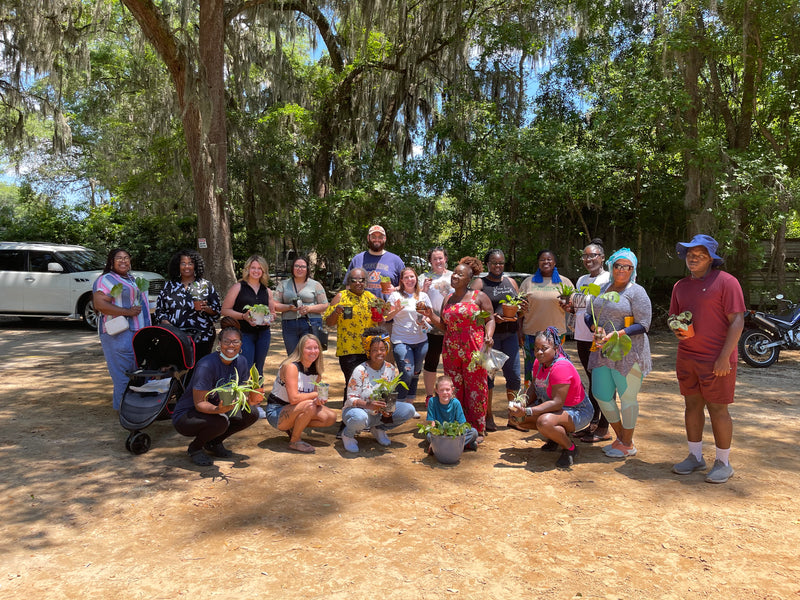 Ahora, como agraria negra, tejo un tapiz de tradición e innovación, de herencia y esperanza. Le recuerdo a mi comunidad que cuando cultivamos nuestros propios alimentos, no solo alimentamos nuestros cuerpos, sino que también nutrimos nuestras almas. Estamos recuperando nuestro poder, un jardín, una semilla, un joven a la vez.
 -
Sembrando semillas de prosperidad: la perdurable sabiduría agrícola de Booker T. Whatley
![]()
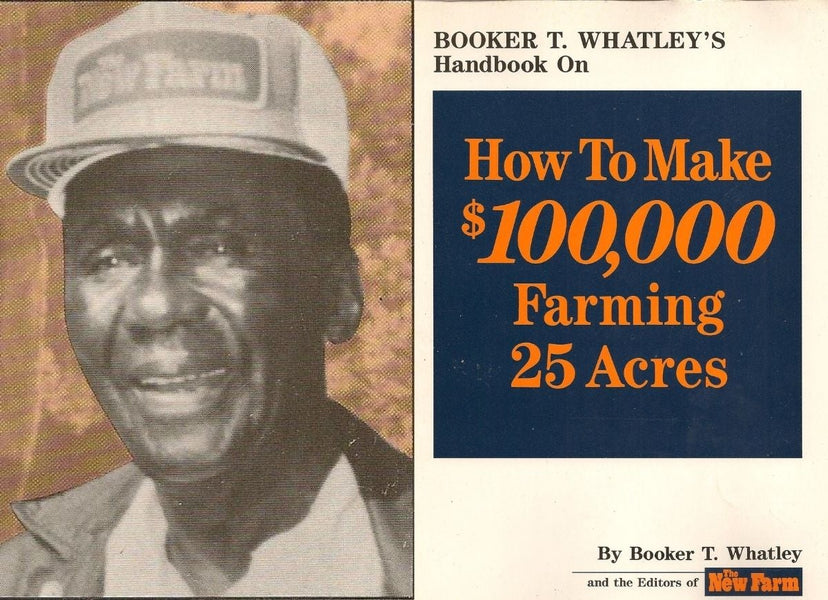 En homenaje al profundo impacto de Booker T. Whatley en la manera en que vemos y nos relacionamos con la agricultura, seguimos compartiendo su filosofía de que la liberación económica tiene sus raíces en la manera en que abordamos el cultivo de nuestra tierra. Su voz, aunque proviene del pasado, proporciona una dirección para el presente y nos pone en el camino hacia un futuro más fructífero e inclusivo en la agricultura.
 -
Cultivando la fuerza: el agrarismo negro y la resiliencia de la agricultura
![]()
 Cada vez más personas negras están recuperando sus raíces en la agricultura, revitalizando no solo el acto de cultivar la tierra sino también cuidando el medio ambiente. A través de prácticas agrícolas sostenibles, están sembrando las semillas del cambio y construyendo un futuro agrícola más equitativo para todos.
 -
La importancia de las mujeres negras en la horticultura y la autosostenibilidad
![]()
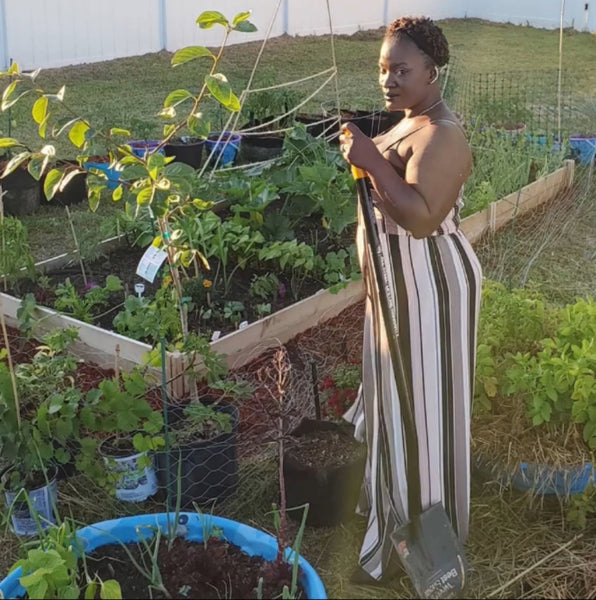 ¿Por qué es importante que las mujeres negras estén representadas en este espacio? La respuesta es sencilla. Aportamos una perspectiva única, una rica historia y una conexión innata con la tierra que se ha transmitido de generación en generación. Nuestra participación en la horticultura no se trata solo de cultivar plantas; se trata de recuperar nuestras raíces, sanar nuestras comunidades y fomentar la autosostenibilidad.


