
Plant Something, Heal Something
-
The Black Agrarian Directory: Finding Each Other Again
![]()

The Black Agrarian Directory was created to help Black farmers, growers, educators, and agricultural professionals find each other again. For too long, the work has been happening in isolation—across states, specialties, and communities. This directory builds the missing connections by mapping the ecosystem of Black agriculture in real time, helping growers collaborate, share knowledge, and strengthen the future of our food systems.
-
Cultivating Community: Black Culinary and Agricultural Trailblazers
![]()

Edna Lewis, Karen Washington, Leah Penniman, and Will Allen show how Black culinary knowledge and agricultural leadership can preserve culture, advance food justice, and build stronger communities.
-
Seeds of Innovation: Black Pioneers in Agricultural Technology
![]()

From Henry Blair’s corn planter to advances in crop science, refrigeration, and agricultural leadership, Black innovators have helped reshape how America grows, protects, and transports food.
-
George Washington Carver: The Plant Whisperer Who Revolutionized Agriculture and Empowered Communities
![]()

George Washington Carver wasn't just about peanuts; he was about people. He saw the potential for agriculture to be a tool for liberation, a pathway to economic independence for Black farmers. His work wasn't confined to the lab; it extended to the fields, where he shared his knowledge freely, empowering communities to take control of their destinies. Carver understood that true freedom was rooted in the land, and he dedicated his life to cultivating not just crops but also hope and resilience.
-
Fulvic Acid and Black Resilience: Nurturing Our Roots This Black History Month
![]()

Fulvic acid is not magic. This Black History Month reflection looks at soil, roots, balance, and the community systems that help plants—and people—grow strong.
-
From Soil to Soul: MLK's Legacy and the Black American Agrarian Renaissance
![]()

Dr. Martin Luther King Jr.’s pursuit of justice included economic dignity. This reflection connects that unfinished work to Black land ownership, food sovereignty, agricultural enterprise, and today’s agrarian renaissance.
-
Harvesting Empowerment: A Black Agrarian's Guide to Wearing Many Hats on the Farm
![]()
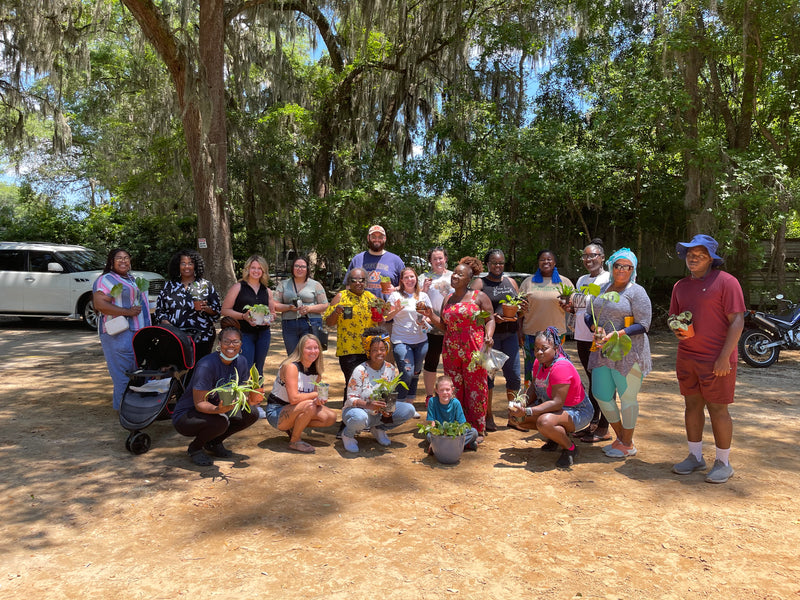 Now, as a Black Agrarian, I'm weaving a tapestry of tradition and innovation, of heritage and hope. I'm reminding my community that when we grow our own food, we're not just feeding our bodies; we're nourishing our souls. We're reclaiming our power, one garden, one seed, one youth at a time.
 -
Sowing Seeds of Prosperity: The Enduring Agricultural Wisdom of Booker T. Whatley
![]()
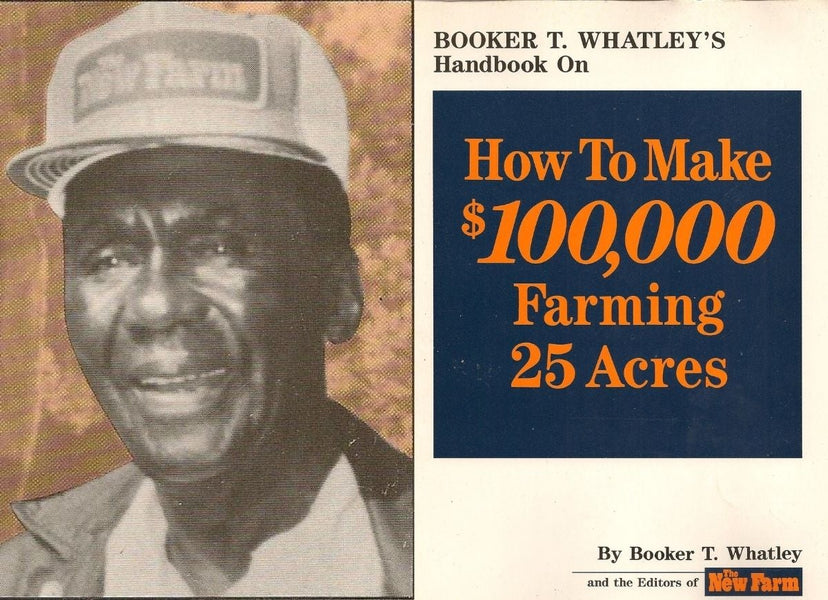 In honoring Booker T. Whatley’s profound impact on how we view and engage with agriculture, we continue to share his philosophy that economic liberation is rooted in the way we approach the cultivation of our land. His voice, though from the past, provides direction for the present and sets us on a path to a more fruitful and inclusive future in farming.
 -
Cultivating Strength: Black Agrarianism and the Resilience of Farming
![]()
 More and more Black individuals are reclaiming their roots in farming, revitalizing not only the act of cultivating the land but also nurturing the environment. Through sustainable farming practices, they are sowing the seeds of change and building a more equitable agricultural future for all.
 -
The Importance of Black Women in Horticulture and Self-Sustainability
![]()
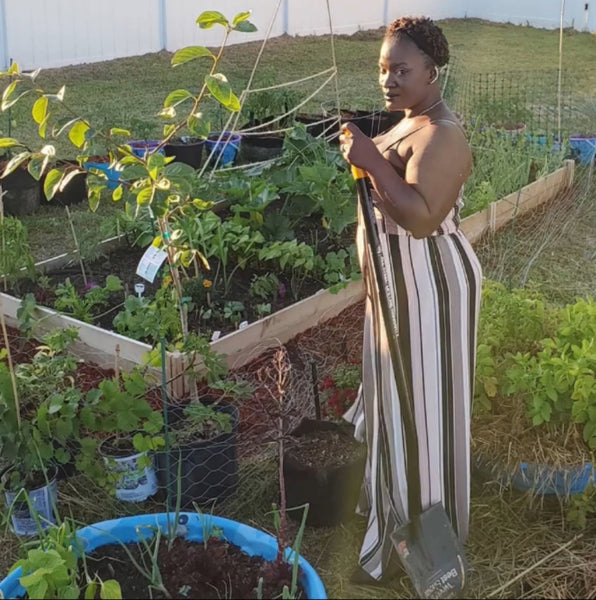 Why is it important for Black women to be represented in this space? The answer is simple. We bring a unique perspective, rich history, and an innate connection to the earth that has been passed down through generations. Our involvement in horticulture is not just about growing plants; it's about reclaiming our roots, healing our communities, and fostering self-sustainability.


