
Plant Something, Heal Something
-
Fire Ants in the Garden: Protect the Soil While You Protect Your Food
![]()

Most ants support the garden, but invasive red imported fire ants can make food beds unsafe. Learn how to identify the real problem, clear active mounds, rebuild disturbed soil, and protect the wider ecosystem.
-
The Buzz on Mosquitoes: From Pollinators to Genetic Warriors and Our Complex History
![]()

Mosquitoes might be a nuisance, but they're also a part of our ecosystem, playing roles we might not even realize. Genetically modified mosquitoes offer a fascinating glimpse into how science can help us tackle big problems, but like any solution, they come with their own set of challenges and questions. -
Allelopathy in Plants: Mechanisms, Impacts, and Practical Applications
![]()
 Mechanisms of Allelopathy
So, how does allelopathy work? Well, some plants release special chemicals called allelochemicals. These can come from different parts of the plant like leaves, roots, stems, and even seeds. When these chemicals get into the soil or air, they can affect other plants nearby. For example, black walnut trees (Juglans nigra) produce a chemical called juglone that can stop other plants like tomatoes and apples from growing well (Hejl & Koster, 2004).
-
Cultivating Connections: Embracing Sustainable Gardening with Crab Shells and Chitin
![]()

Crab shells connect culture, food, and soil. Learn how Erica turns that family story into a careful compost practice without bringing salt, odor, or critters into the garden.
-
Crab Boils to Garden Soil: Harnessing the Power of Crustaceans for Sustainable Gardening
![]()

Got crab shells after the boil? Clean, rinse, crush, and compost them with care. This simple guide helps you feed the soil without bringing salt, odor, or critters to the garden.
-
The POWER of Soil
![]()
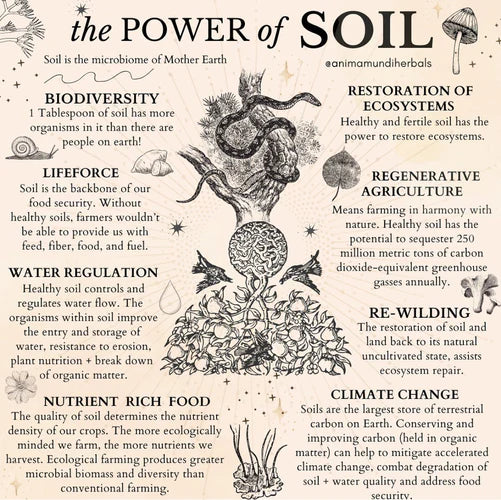 Biodiversity thrives in healthy soil, supporting a myriad of life forms from the tiniest microorganisms to the plants and animals that sustain our ecosystems. Each organism plays a pivotal role in maintaining the balance of nature.


